ClaudeCode
Using Claude Code as a design tool — prototyping in real code, not just in Figma.
- Years
- 2025–2026
- Role
- Lead Product Designer
- Scope
- AI workflow, sandbox, handoff
Prototypes that actually run
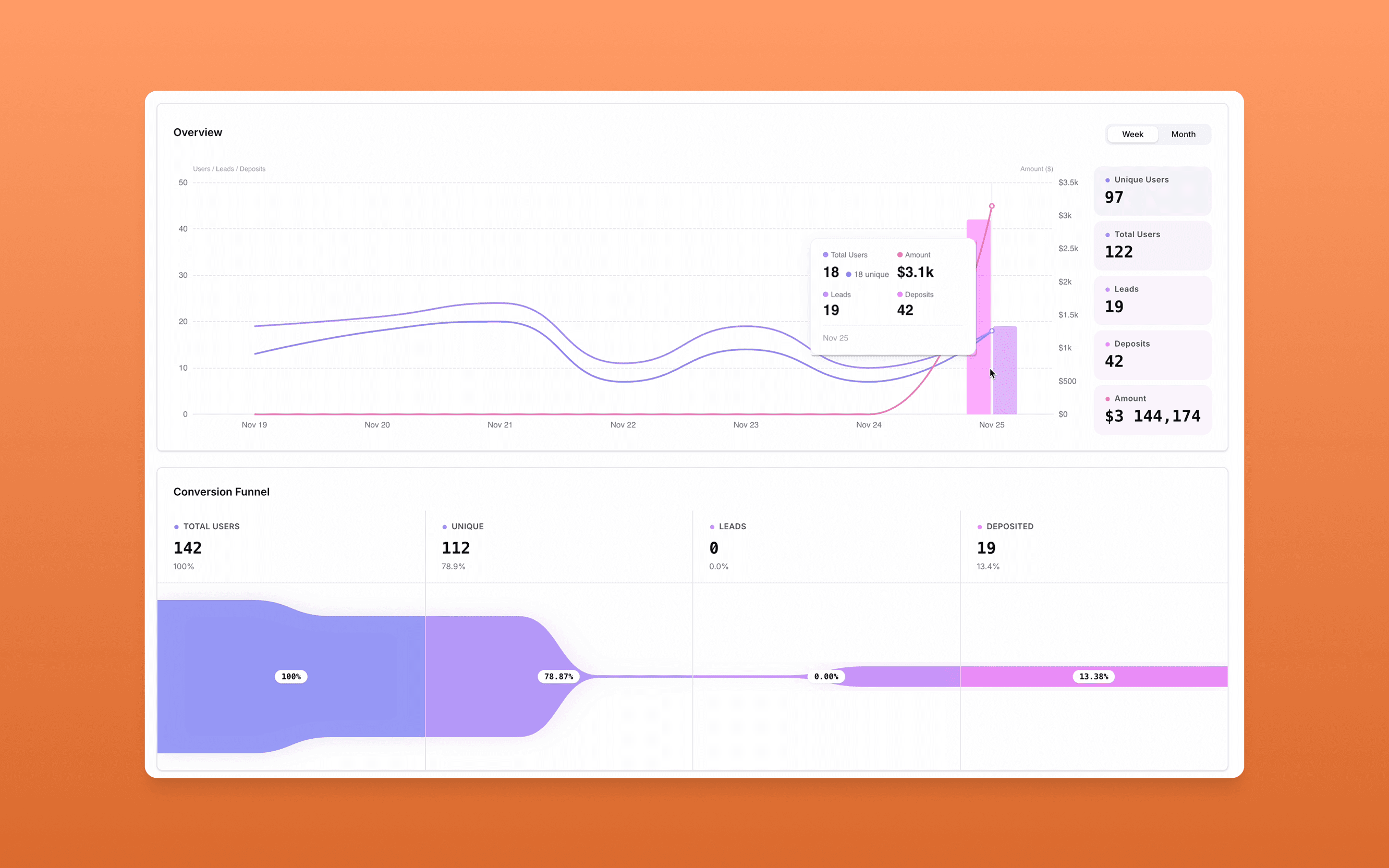
Instead of static mockups, I generate working components to see how interactions behave in a real interface.
Validated before the ticket
Ideas get stress-tested in real code before they enter the engineering queue — fewer surprises, less rework.
Tighter design–dev handoff
Developers receive specs that have already been pressure-tested at the component level.
Same-day feedback loop
Layout logic, edge cases, and empty states can be explored and refined in the same afternoon.
Why
Most design work stops at the prototype. You know what it should look like, but you don't know how it behaves until it's in engineering's hands — and by then, the feedback loop is expensive.
I started using Claude Code to close that gap. Not to replace engineering, but to validate faster: see the idea running, feel where it breaks, and hand off something closer to done.
How I work with it
I use Claude Code to generate working components from design decisions — testing layout logic, states, and edge cases before anything goes to a ticket.
The output isn't production code. It's a thinking tool: fast enough to iterate on, real enough to validate against.
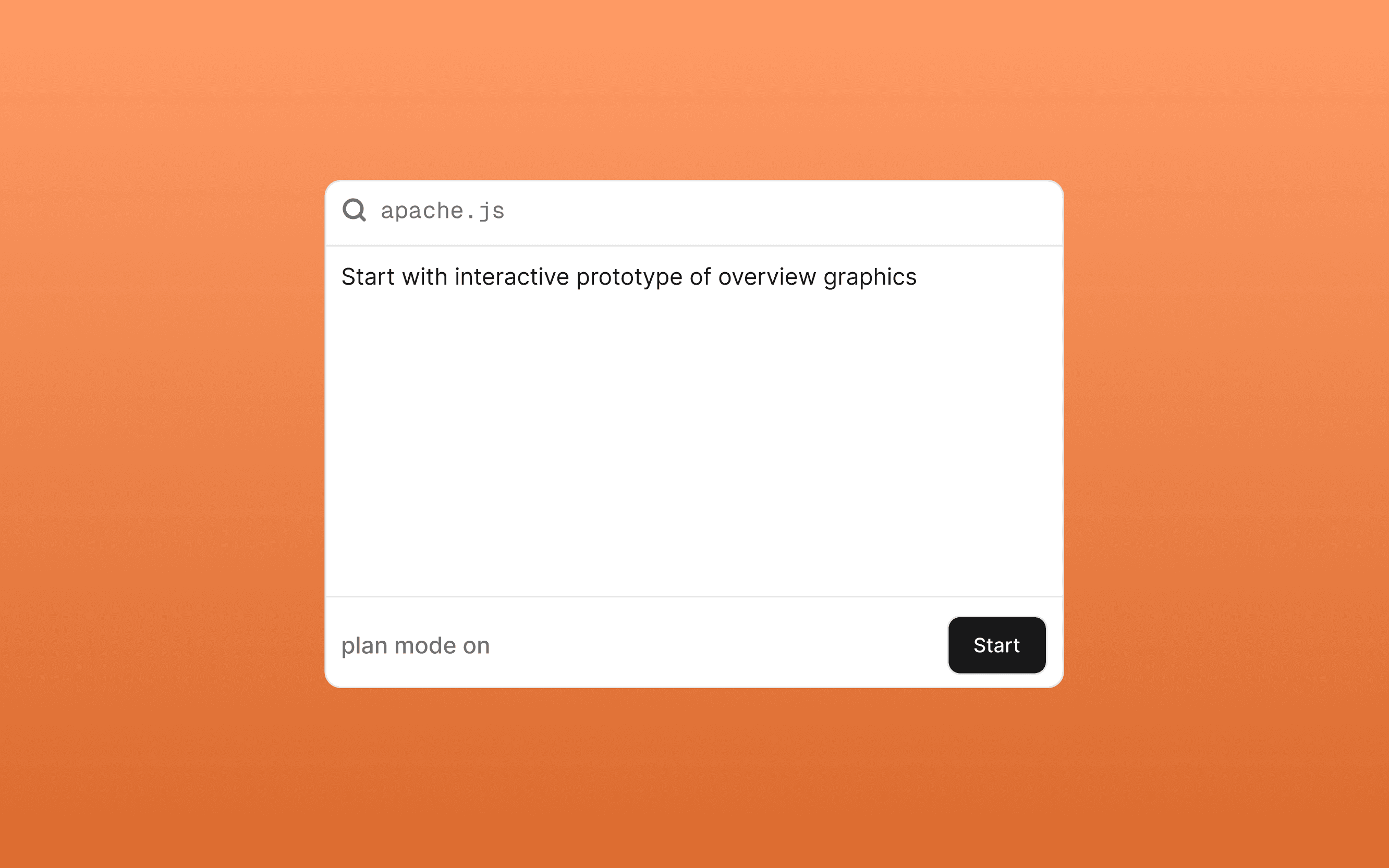
Prototype in real code
Instead of static mockups, I generate running components to test how interactions actually behave.
Validate before the ticket
Ideas get tested in a real interface before they reach the engineering queue.
Explore edge cases faster
Layout logic, empty states, and error flows can be stress-tested in minutes.
Close the handoff gap
Developers receive specs that have already been pressure-tested at the component level.
Design system acceleration
New components get scaffolded from existing patterns, keeping the system coherent as it grows.
The bigger point
Claude Code isn't a design tool in the traditional sense. But used right, it's the fastest way to find out if a design decision actually works — before anyone else has to find out for you.
What changed
Working this way flattened the design-dev cycle. Ideas that used to wait for a sprint to get validated can now be stress-tested and refined in the same afternoon.